Brand Storytelling Explained: Building Authentic Connections
- Eddie The Chef

- Nov 16, 2025
- 7 min read

Most advice about brand storytelling misses the real secret. Brands with powerful stories can see up to 22 times higher recall among consumers compared to those with generic messaging. In an endless sea of products and services, a strong narrative makes people care, remember, and choose you. Understanding what brand storytelling truly means—and how to harness its principles—sets the stage for deeper loyalty and real growth.
Table of Contents
Key Takeaways
Point | Details |
Authenticity | Brand storytelling must genuinely reflect a brand’s core values and mission to build trust with audiences. |
Emotional Connection | Effective narratives create deeper relationships by triggering genuine human emotions and shared experiences. |
Consistent Messaging | A coherent narrative across all communication channels enhances brand recall and fosters customer loyalty. |
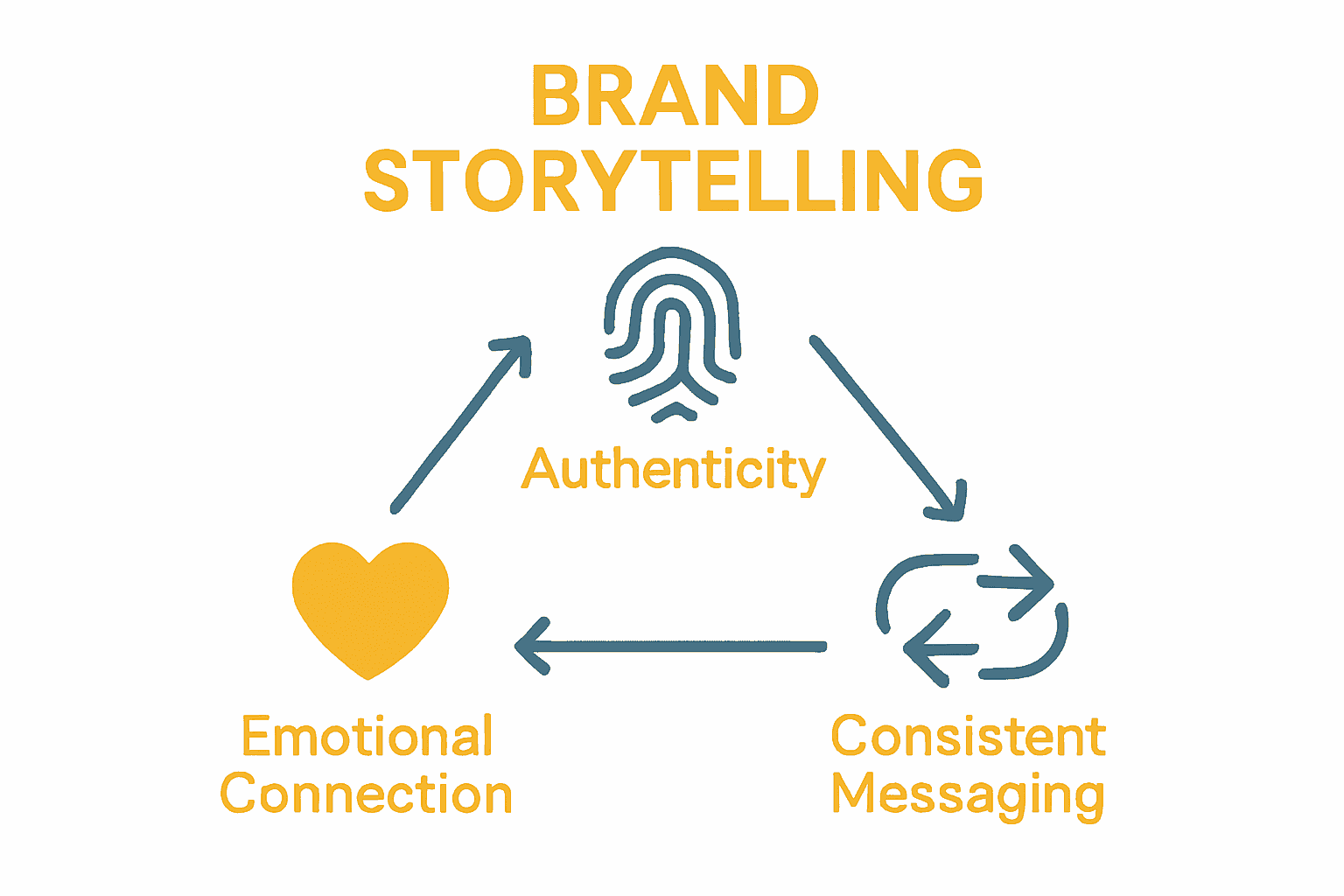
| | Avoiding Pitfalls | Successful storytelling requires avoiding fabricated narratives and ensuring alignment between the story and brand values.
Defining Brand Storytelling and Core Principles
Brand storytelling is more than just marketing jargon. It’s a strategic approach that transforms traditional communication into compelling narratives that connect with audiences on a deeply emotional level. According to ijrti.org, brand storytelling involves crafting narratives that resonate with consumers, creating meaningful connections while differentiating the brand in the marketplace.
At its core, brand storytelling is about authenticity and emotional engagement. jetir.org emphasizes that effective storytelling is characterized by genuine narratives that align precisely with a brand’s unique identity. This approach isn’t about fabricating fictional tales, but revealing the genuine heart and purpose behind a business.
The fundamental principles of brand storytelling include:
Authenticity: Your narrative must reflect your true brand values
Consistency: Maintain a coherent message across all communication channels
Emotional Connection: Create stories that trigger genuine human emotions
Unique Perspective: Showcase what makes your brand distinctively different
Successful brand storytelling transforms businesses from mere service providers into memorable, relatable entities. It’s about inviting your audience into a narrative where they can see themselves as part of your journey. By sharing genuine experiences, challenges overcome, and values that drive your work, you create a powerful connection that transcends traditional marketing approaches.

For a deeper exploration of how storytelling can transform your brand, check out our comprehensive guide on why branding matters.
Key Elements of Effective Brand Narratives
Crafting a compelling brand narrative goes beyond simple storytelling. cesarritzcolleges.edu highlights that strong brand narratives must encompass a clear brand purpose, feature relatable characters, and fundamentally humanize the brand to create shared values that genuinely resonate with the audience.
A powerful brand narrative requires strategic elements that transform ordinary communication into extraordinary connections. According to online.uwa.edu, successful narratives incorporate a compelling storyline, establish deep emotional connections, and leverage data to enhance credibility and engagement. This means moving beyond simple facts to create an immersive experience that captures your audience’s imagination.
The key elements of an effective brand narrative include:
Clear Purpose: Articulate why your brand exists beyond making money
Authentic Characters: Showcase real people and genuine experiences
Emotional Resonance: Connect through shared values and experiences
Compelling Conflict: Demonstrate challenges overcome and growth achieved
Consistent Messaging: Maintain a unified narrative across all platforms
To truly connect with your audience, your brand narrative must feel like a conversation, not a monologue. It should invite your customers into a story where they can see themselves, understand your journey, and feel a genuine connection to your brand’s mission. Think of your narrative as a bridge that transforms transactional relationships into meaningful, long-lasting connections.
For more insights into developing a robust brand strategy, explore our comprehensive guide on digital branding that can help you refine your storytelling approach.
Types and Channels of Brand Storytelling
Southernliteraryarts.org reveals that brand storytelling can be effectively conveyed through multiple channels, each offering unique opportunities to engage audiences. These diverse platforms range from digital media and social platforms to traditional advertising methods, providing businesses with a versatile toolkit for sharing their narrative.
According to emeritus.org, brand storytelling encompasses several critical narrative elements, including characters, conflict, plot, setting, and theme. These elements can be strategically communicated across various channels such as social media, blogs, and videos to effectively reach and resonate with target audiences.
The primary types and channels of brand storytelling include:
Social Media Storytelling: Quick, engaging narratives through posts, stories, and reels
Video Content: Documentaries, testimonials, behind-the-scenes glimpses
Blog Posts: In-depth explorations of brand journey and values
Email Marketing: Personal, segmented storytelling directly to audience
Podcast Narratives: Long-form storytelling with intimate connections
Successful brand storytelling isn’t about choosing one channel, but creating a harmonious narrative that flows seamlessly across multiple platforms. Each channel offers a unique lens through which your audience can understand and connect with your brand’s core mission and values. The key is maintaining consistency while adapting your storytelling style to suit each medium’s unique characteristics.
To dive deeper into multi-channel marketing strategies that can amplify your brand’s storytelling, explore our complete guide to multi-channel marketing.
Business Benefits and Real-World Applications
Brand storytelling is not just a marketing trend, but a strategic approach with tangible business outcomes. According to scirp.org, effective storytelling significantly enhances consumer attention, recall, and positive brand associations, strategically positioning brands within broader cultural and social narratives.
Strategic storytelling transforms how businesses connect with their audience, delivering benefits that extend far beyond traditional marketing approaches. By crafting narratives that resonate emotionally, companies can differentiate themselves in crowded markets, build trust, and create lasting connections that drive customer loyalty and engagement.
The key business benefits of brand storytelling include:
Enhanced Brand Recall: Memorable narratives that stick in customers’ minds
Emotional Connection: Building deeper, more meaningful relationships
Competitive Differentiation: Standing out in saturated markets
Customer Loyalty: Transforming transactions into genuine connections
Increased Engagement: Encouraging active interaction with brand content
Real-world applications demonstrate the power of storytelling across diverse industries. A local cafe might share the journey of its family recipe, a tech startup could narrate its mission to solve real-world problems, or a healthcare provider might highlight stories of patient transformation. These narratives do more than sell products they create meaningful connections that transform how customers perceive and interact with brands.
To understand how storytelling can revolutionize your marketing strategy, explore our comprehensive guide to multi-channel marketing and discover innovative ways to tell your brand’s unique story.
Common Pitfalls and How to Avoid Them
Brand storytelling can quickly derail if not approached with strategic care. online.sbu.edu warns against the critical mistake of overhyping, emphasizing that sharing genuine experiences is crucial for building trust and credibility with your audience. The moment a narrative feels forced or exaggerated, you risk losing the audience’s confidence.
Authenticity is the cornerstone of effective brand storytelling. southernliteraryarts.org highlights that misalignment between a brand’s story and its core values can appear disingenuous, potentially undermining consumer trust. This means every narrative must be a genuine reflection of your brand’s true identity and mission.
Common pitfalls in brand storytelling include:
Fabricated Narratives: Creating stories that feel artificial or disconnected
Inconsistent Messaging: Contradicting your brand’s established values
Overcomplicating the Story: Losing your audience in complex narratives
Ignoring Audience Perspective: Failing to connect with your target market
Lack of Emotional Depth: Producing shallow, uninspired content
Successful brand storytelling requires a delicate balance of vulnerability and professionalism. It’s about sharing real challenges, genuine victories, and authentic experiences that resonate with your audience. The most powerful stories are those that reveal your brand’s humanity, showing the people, passion, and purpose behind the business. Remember, your audience can sense authenticity they can smell a manufactured story from a mile away.
To master the art of genuine storytelling, explore our comprehensive guide to multi-channel marketing and learn how to craft narratives that truly connect.
Connect Authentically with Brand Storytelling That Works
Struggling to create genuine connections that make your brand memorable in regional markets? This article highlights how authenticity, emotional resonance, and consistent messaging are vital to effective brand storytelling. Many businesses face the challenge of turning their story into a compelling narrative that truly engages their audience and stands out from competitors. By focusing on your unique brand purpose and sharing real experiences, you can transform ordinary marketing into a meaningful journey your customers want to join.
At Marketing Recipes Australia, we understand these challenges and specialize in crafting tailored storytelling strategies that speak directly to regional audiences. Our 30 years of experience delivering comprehensive marketing solutions combine traditional and digital expertise including video marketing, social media management, and creative content creation. We help you build authentic customer connections that drive loyalty and growth across multiple channels.
Elevate your brand story and create authentic connections today with our expert guidance.

Ready to transform your brand’s narrative into a powerful marketing tool? Explore how our digital marketing solutions can help you authentically engage your audience. Discover more about the importance of storytelling through our comprehensive guides and let us help you craft a consistent, heartfelt message that resonates. Take the first step towards building real connections by visiting Marketing Recipes Australia now.
Frequently Asked Questions
What is brand storytelling?
Brand storytelling is a strategic approach that uses compelling narratives to connect with audiences on an emotional level, revealing the genuine heart and purpose behind a brand.
Why is authenticity important in brand storytelling?
Authenticity ensures that the brand narrative reflects true values, helping to build trust and credibility with the audience by sharing genuine experiences rather than fabricated tales.
How can I create an emotional connection through brand storytelling?
To create an emotional connection, focus on sharing relatable experiences, showcasing authentic characters, and demonstrating challenges overcome that resonate with your audience’s values and experiences.
What are common pitfalls to avoid in brand storytelling?
Common pitfalls include fabricating narratives, inconsistent messaging, overcomplicating the story, ignoring audience perspectives, and lacking emotional depth in content.
Recommended
Comments