How to Create Video Marketing Strategy for Regional Businesses
- Eddie The Chef

- Sep 30, 2025
- 11 min read
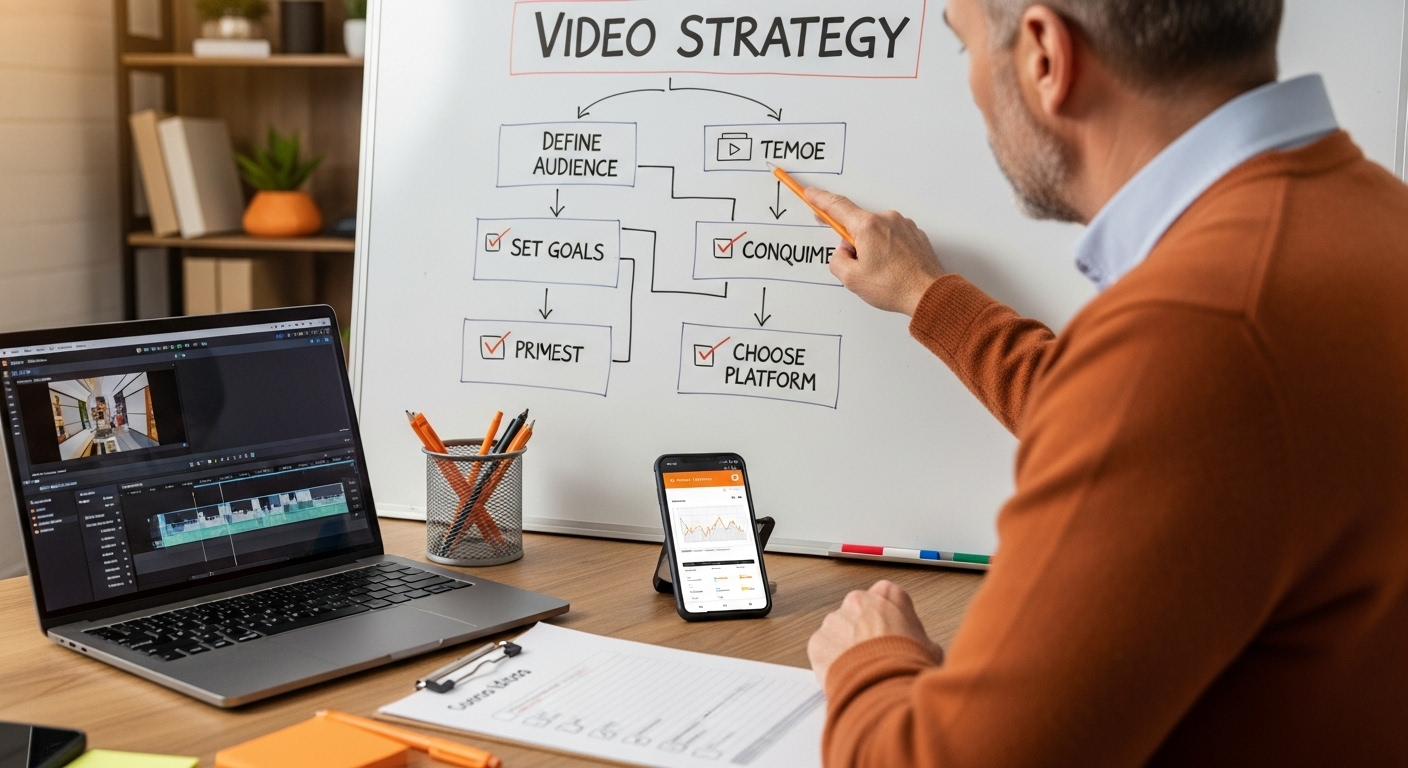
Video marketing keeps popping up on the radar for regional Aussie businesses and for good reason. Regional clinics have set targets like increasing local client inquiries by 25% within three months using just educational video content. Sounds pretty ambitious, right? But the real kicker is you do not need big budgets or fancy gear to make a real impact. The magic lies in knowing exactly who you want to reach and turning simple videos into genuine business wins.
Table of Contents
Quick Summary
Key Point | Explanation |
1. Clearly define your target audience | Understand the specific demographics, challenges, and preferences of your customers to tailor your video content effectively. |
2. Set SMART video marketing goals | Create Specific, Measurable, Achievable, Relevant, and Time-bound objectives to guide your video strategy and measure success. |
3. Explore diverse video content types | Utilize various video formats like tutorials, testimonials, and behind-the-scenes footage to engage different audience segments. |
4. Optimize videos for SEO | Use targeted keywords, quality metadata, and transcriptions to enhance visibility in search engines and reach more potential customers. |
5. Measure and adapt based on performance | Regularly analyze engagement metrics to refine your strategy and improve future video content based on audience feedback. |
Step 1: Define Your Target Audience and Goals
Creating a robust video marketing strategy begins with crystal clear understanding of who you want to reach and what you aim to achieve. For regional Australian businesses, this means drilling down into the specific characteristics and needs of your potential customers.
Starting your video marketing journey requires precise audience identification. Think beyond basic demographics. You need to understand the psychological landscape of your potential customers. Are they tradies in Gippsland looking for quick service solutions? Hospitality professionals seeking innovative marketing approaches? Wine producers wanting to showcase their regional excellence?
To effectively define your audience, begin by mapping out detailed customer personas. Consider factors like age range, professional background, income level, digital habits, and specific challenges they encounter. For a local automotive workshop in regional Victoria, this might mean understanding tradies who need quick repair information, or small business owners seeking reliable vehicle maintenance tips.
Goal setting is equally critical. Your video marketing objectives should align directly with broader business outcomes. Common goals for regional businesses include:
Increasing brand awareness within local community
Generating qualified leads for specific services
Demonstrating technical expertise in your industry
Building trust through transparent, authentic communication
For precise targeting, explore our comprehensive video marketing guide which offers deeper insights into audience segmentation strategies. By combining granular audience understanding with clear, measurable objectives, you transform video marketing from a generic approach to a strategic business tool tailored specifically for regional Australian enterprises.
Successful goal setting means creating SMART objectives: Specific, Measurable, Achievable, Relevant, and Time-bound. A veterinary clinic might set a goal like “Increase local client inquiries by 25% within three months through educational video content” rather than a vague aim like “get more customers”.

Remember that audience definition is not a one-time task. Continually refine your understanding through ongoing customer feedback, engagement metrics, and market research. Your video marketing strategy should remain as dynamic and adaptable as the regional business landscape itself.
Step 2: Research Video Content Types and Platforms
After defining your target audience and goals, the next critical step is understanding the diverse video content types and platforms that can effectively communicate your business message. Regional Australian businesses have a wealth of video marketing opportunities waiting to be explored.
Video content is not a one-size-fits-all solution. Different platforms and content styles serve unique purposes in your marketing strategy. For instance, a local automotive workshop might create short tutorial videos for Instagram, while a detailed service explanation video might work better on YouTube. Understanding platform nuances is crucial for maximizing your video marketing impact.
Consider the range of video content options available to regional businesses. Explainer videos work brilliantly for complex services, demonstrating technical expertise. Customer testimonial videos build trust by showcasing real experiences from local clients. Behind-the-scenes footage can humanize your brand, particularly effective for hospitality, medical practices, and trades businesses showing their authentic working environment.
Platform selection requires strategic thinking. Each social media and video hosting platform offers unique advantages:
YouTube: Ideal for longer educational content, SEO benefits, and comprehensive service explanations
Instagram: Perfect for short, engaging clips, quick tips, and visually appealing content
TikTok: Excellent for reaching younger demographics with creative, quick-format videos
Facebook: Great for community-focused businesses targeting local audiences
Discover more about video marketing strategies that can transform your regional business approach. The key is selecting platforms where your specific target audience is most active and engaged.
Technical considerations matter too. Ensure your videos are high-quality, mobile-friendly, and optimized for each platform’s specific requirements. A veterinary clinic might need different video formatting for a Facebook post compared to a YouTube tutorial. Audio quality, lighting, and concise messaging are universal standards that elevate your video content across all platforms.
Below is a quick comparison of popular video content types and recommended platforms for regional Australian businesses. Use this as a guide when deciding where to publish different styles of video content.
Video Content Type | Best Platform(s) | Purpose/Benefit |
Explainer Videos | YouTube, Facebook | Demonstrate complex services and build expertise |
Customer Testimonials | Facebook, Instagram | Build trust using real client experiences |
Behind-the-Scenes Footage | Instagram, TikTok | Humanise brand and showcase authentic environment |
Educational Clips | YouTube, Facebook | Provide value and answer customer questions |
Service Demonstrations | YouTube, Facebook | Showcase technical work and unique business offers |
Creative Short Clips | Instagram, TikTok | Engage younger audiences with quick, imaginative content |
Successful platform research means continuously monitoring audience engagement, tracking video performance metrics, and being willing to adapt your strategy. What works today might need refinement tomorrow in the dynamic digital marketing landscape.
Step 3: Develop a Compelling Video Content Plan
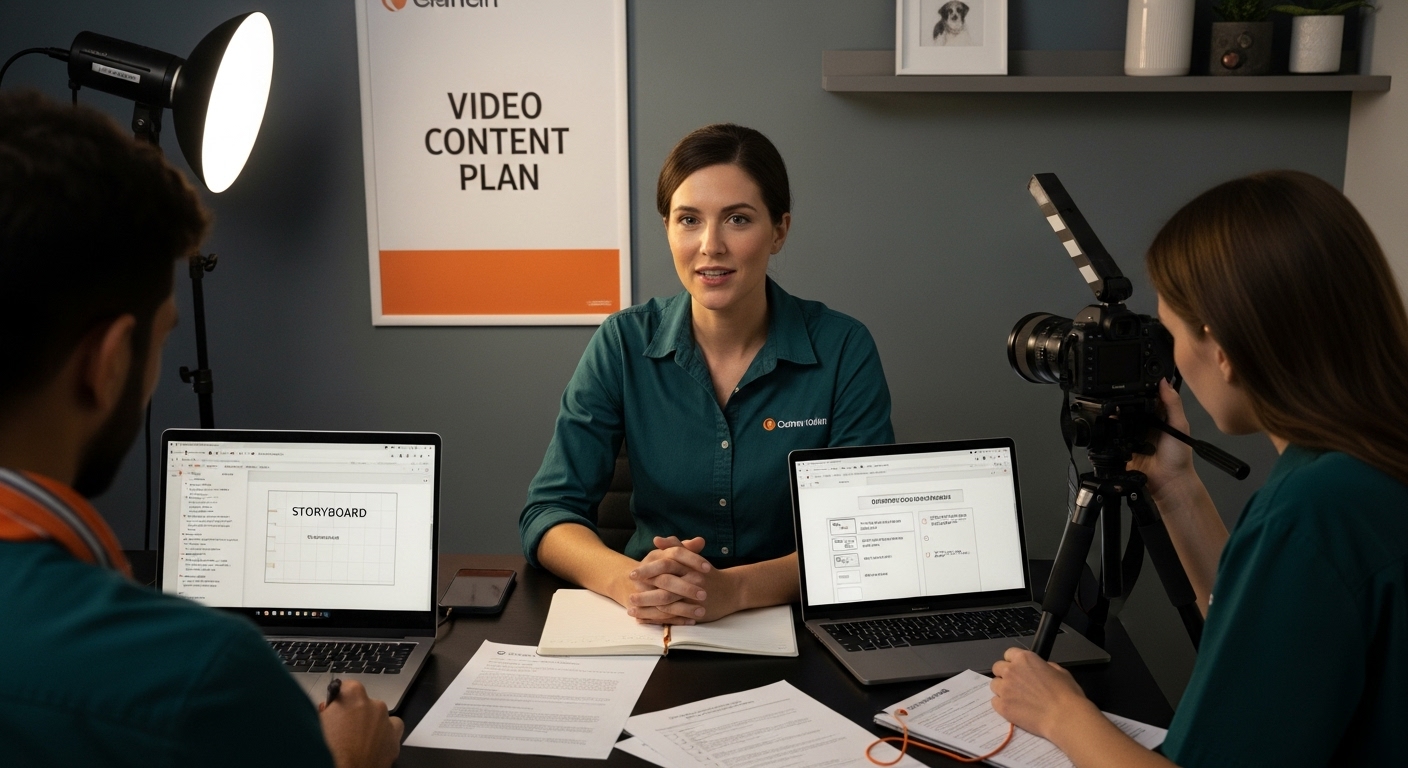
A strategic video content plan transforms random video production into a purposeful marketing engine for regional businesses. This step involves crafting a comprehensive roadmap that aligns your video content with specific business objectives and audience expectations.
Begin by creating a content calendar that outlines your video production schedule. This isn’t just about randomly posting videos, but strategically planning content that speaks directly to your target audience’s needs and interests. For a local automotive workshop, this might mean scheduling monthly tutorial videos about basic car maintenance, quarterly showcase videos highlighting advanced repair techniques, and periodic customer testimonial clips.
Your content plan should incorporate a diverse mix of video types. Diversification is key to maintaining audience engagement. Consider developing a blend of educational content, behind-the-scenes glimpses, customer success stories, and product or service demonstrations. A veterinary clinic might create informative pet care videos, introduce staff members, share client transformation stories, and provide quick health tips.
Key considerations for your video content strategy include:
Maintaining consistent brand messaging across all videos
Ensuring each video serves a specific marketing goal
Creating content that provides genuine value to your audience
Aligning video themes with current business promotions or seasonal trends
Learn more about crafting effective video marketing strategies that can transform your regional business approach. Remember that authenticity trumps production perfection for local businesses.
Budget allocation is another crucial aspect of your content plan. Realistic budgeting means understanding production costs, potential equipment needs, and possibly outsourcing certain video creation tasks. Regional businesses should prioritize quality over quantity, focusing on creating fewer, more impactful videos rather than churning out mediocre content.
A successful video content plan requires flexibility. Regularly review your strategy, track audience engagement metrics, and be prepared to pivot. What resonates with your local community today might shift tomorrow. Continuous learning and adaptation are the hallmarks of an effective video marketing approach for regional Australian businesses.
Step 4: Create and Optimize Your Videos for SEO
Optimizing your video content for search engines transforms your marketing strategy from simple content creation to strategic digital visibility. This critical step ensures your regional business videos get discovered by potential customers searching online.
Video SEO begins before you even record. Start by selecting keywords that precisely match your target audience’s search behaviours. A local automotive workshop might target phrases like “car repair Gippsland” or “quick vehicle maintenance tips”. These strategic keywords will guide your entire video production process.
When creating video content, focus on high-quality, informative material that answers specific customer questions. Search engines prioritize videos that provide genuine value. For a veterinary clinic, this might mean creating a detailed video explaining common pet health concerns or demonstrating proper animal care techniques.
Technical optimization is crucial for search engine visibility. Your video metadata should include:
Descriptive, keyword-rich titles
Comprehensive video descriptions
Relevant tags that reflect content accurately
Custom video thumbnails that encourage clicks
Explore our comprehensive YouTube SEO guide to master advanced optimization techniques. Platforms like YouTube use complex algorithms that reward well-structured, valuable content.
Transcriptions and closed captions dramatically improve your video’s searchability. These text elements help search engines understand your content’s context, making your videos more likely to appear in relevant searches. For regional businesses, this means potentially reaching customers who might use voice search or have hearing difficulties.
Consider the technical quality of your videos. Resolution, sound clarity, and lighting significantly impact viewer engagement and, consequently, search rankings. A poorly filmed video might contain excellent information but will struggle to rank well if it appears unprofessional.
Remember that SEO is an ongoing process. Regularly review your video performance using platform analytics, track viewer engagement metrics, and be prepared to adjust your strategy. The digital marketing landscape evolves quickly, and staying adaptive is key to maintaining strong online visibility for your regional Australian business.
Step 5: Launch Your Video Campaign Across Channels
Launching your video marketing campaign requires strategic coordination across multiple digital platforms. This step transforms your carefully crafted content into a powerful marketing tool that reaches and engages your target audience effectively.
Multichannel distribution is crucial for maximizing your video’s impact. Each platform offers unique opportunities to connect with different segments of your audience. A local automotive workshop might share technical repair tutorials on YouTube, behind-the-scenes clips on Instagram, and customer testimonial snippets on Facebook.
Timing and scheduling play a critical role in campaign success. Develop a coordinated launch strategy that ensures consistent messaging across all platforms. This means planning your video releases to create a cohesive narrative that builds momentum and keeps your audience engaged. Consider the peak activity times for each platform and align your content distribution accordingly.
Key distribution strategies include:
Scheduling videos during peak audience engagement hours
Cross-promoting content across different social media channels
Using platform-specific features like Instagram Reels or YouTube Shorts
Embedding videos on your business website
Explore our comprehensive video marketing statistics to understand the potential reach of your campaign. Regional businesses can leverage these insights to refine their distribution approach.
Paid promotion can significantly extend your video’s reach. Consider allocating a modest budget for targeted advertising on platforms like Facebook and Instagram. For a veterinary clinic, this might mean creating targeted ads that showcase educational content to local pet owners.
Engagement is more important than pure view count. Encourage audience interaction by responding to comments, creating call-to-action overlays, and designing content that sparks conversation. A local business video should feel like a dialogue, not a monologue.
Monitor your campaign’s performance closely. Track metrics like view duration, engagement rates, and conversion impacts. Be prepared to pivot your strategy based on real-time feedback. The most successful video marketing campaigns are those that remain flexible and responsive to audience preferences.
Remember that launching your video campaign is just the beginning. Continuous optimization, audience listening, and strategic refinement will transform your initial efforts into a powerful long-term marketing tool for your regional Australian business.
Step 6: Measure Performance and Adjust Your Strategy
Measuring video marketing performance is not just about collecting data; it’s about understanding the story behind the numbers. For regional Australian businesses, this step transforms raw metrics into actionable insights that drive continuous improvement.
Performance tracking begins with selecting the right metrics. Views alone don’t tell the full story. Focus on engagement indicators that reveal how your audience truly interacts with your content. A local automotive workshop might track metrics like watch time, viewer retention, click-through rates, and conversion actions such as website visits or service inquiries.
Utilize built-in analytics tools on platforms like YouTube, Facebook, and Instagram. These platforms provide comprehensive dashboards that break down audience demographics, viewing behaviors, and content performance. Pay special attention to metrics that align with your original business goals, whether that’s brand awareness, lead generation, or customer education.
Key performance indicators to monitor include:
The following table summarises key video marketing performance metrics and what each one reveals about your campaign effectiveness. Refer to this when tracking and analysing your results.
Metric | What It Reveals | Why It Matters |
Average Watch Time | Level of viewer engagement | Gauges content relevance and video quality |
Audience Retention | Percentage of viewers watching full video | Identifies drop-off points and effective pacing |
Engagement Rate | Likes, comments, shares on each video | Measures how interactive and compelling content is |
Conversion Tracking | Actions such as clicks, enquiries, or sign-ups | Shows direct business impact from video content |
Geographic Distribution | Viewer locations | Helps tailor content to local and regional markets |
Average watch time
Audience retention percentage
Engagement rates (likes, comments, shares)
Conversion tracking
Geographic audience distribution
Explore our social media management checklist to develop a comprehensive tracking approach. The goal is to transform data into strategic marketing decisions.
Strategic adjustment is the hallmark of successful video marketing. If a particular video style or topic generates high engagement, create more similar content. Conversely, low-performing videos provide valuable learning opportunities. A veterinary clinic might discover that short, educational health tips generate more interaction than longer procedural videos.
Regional businesses should approach performance measurement as an ongoing conversation with their audience. Use analytics not just as a reporting tool, but as a strategic compass that guides future content creation. Experiment with different video styles, topics, and posting times. Track the results meticulously and be prepared to pivot quickly.
Remember that video marketing is an iterative process. What works today might change tomorrow. Continuous learning, measurement, and strategic adaptation are the keys to building a robust video marketing strategy that grows with your regional Australian business.
Ready to Put Real Video Strategy Into Action for Your Regional Business?
You have just learned the essentials of building a powerful video marketing strategy geared for local success. The hardest part for most regional businesses is taking that knowledge and translating it into clear results. Common frustrations include not knowing where to begin, struggling to connect with a local audience, or feeling lost in the maze of video content, platforms, and shifting trends. You want more visibility, stronger customer trust, and video content that draws real business, not just views.

Let Marketing Recipes Australia be your creative partner in turning video ideas into measurable growth. With 30 years of hands-on experience, we specialise in tailored strategies just like those outlined in our guide. Whether you need a one-stop solution for video marketing, want to upgrade your entire online presence, or crave storytelling that resonates with real people in your region, our team delivers fresh, effective solutions every time.
Visit Marketing Recipes Australia to kick off a marketing plan that fits your business like a glove. Explore our comprehensive video marketing guide or connect with us now to discover how our menu of services brings your strategy to life. Move forward with confidence—your next standout video campaign starts today.
Frequently Asked Questions
How do I identify my target audience for video marketing?
To identify your target audience, create detailed customer personas considering factors like age, profession, income level, and their specific challenges. This helps create video content that resonates with potential customers.
What video content types should I use for my marketing strategy?
Consider using a mix of explainer videos, customer testimonials, behind-the-scenes content, and educational clips. Diversifying content types keeps your audience engaged and addresses different viewer preferences.
How can I optimize my videos for SEO?
To optimize videos for SEO, use keyword-rich titles and descriptions, add relevant tags, create custom thumbnails, and include transcriptions or closed captions. These practices enhance video visibility and search engine rankings.
What metrics should I track to measure video marketing performance?
Key performance metrics to track include average watch time, audience retention, engagement rates (likes, comments, shares), and conversion rates. Monitoring these indicators helps refine your video marketing strategy.
Recommended
Comments